Hardware Wallet FAQ: Beginner Questions About Cold Storage, Secure Elements, and Mobile Use
Hardware wallets are popular because they move the most sensitive part of crypto ownership — the private key — away from a normal internet-connected phone or computer. The supplied source material shows that beginners are not only asking “what is a hardware wallet?” but also whether cold storage is worth it for a small balance, whether secure elements matter, whether iPhone support is reliable, and whether air-gapped or card-style wallets are easier to live with.
This FAQ answers those questions at the category level. It does not rank brands or treat Reddit discovery material as product testing, security auditing, or hands-on review evidence.
Q: What is a hardware wallet?
A hardware wallet is a dedicated device used to keep cryptocurrency private keys away from everyday internet-connected devices. In plain English, the wallet does not “hold” coins like a physical purse. The assets remain on their blockchain, while the wallet protects the private key or signing authority used to approve transactions.
The supplied source material describes a hardware wallet as a device that stores private keys offline and helps isolate those keys from hackers, malware, phishing attacks, and other online threats. That framing is useful for beginners because it separates two ideas: your coins are recorded on-chain, and your wallet controls whether you can sign transactions from your address.
A practical first step is to learn the difference between hot wallets, cold wallets, and exchange custody before choosing a device.
Q: Is a hardware wallet worth it for a small amount of crypto?
A hardware wallet may be worth it for a small crypto balance if the risk of exchange custody, malware, or phishing matters more to you than the device cost and setup effort. The supplied source material shows beginners asking this exact question when their balance is modest and the device price feels high relative to the amount being protected.
There is no universal threshold. A hardware wallet adds cost, responsibility, and a recovery process. If you lose your recovery phrase or misunderstand which network you are using, self-custody can create a different kind of risk. On the other hand, leaving assets on an exchange means you depend on that platform’s availability, controls, and account security.
A practical approach is to match the custody method to the amount, your time horizon, and your ability to store backups safely.
Q: How important is a secure element in a hardware wallet?
A secure element can be an important part of a hardware wallet’s security design, but it should not be evaluated in isolation. The supplied source material shows beginners asking whether a wallet without a secure element is automatically a bad choice, which is too broad a question without looking at the full architecture.
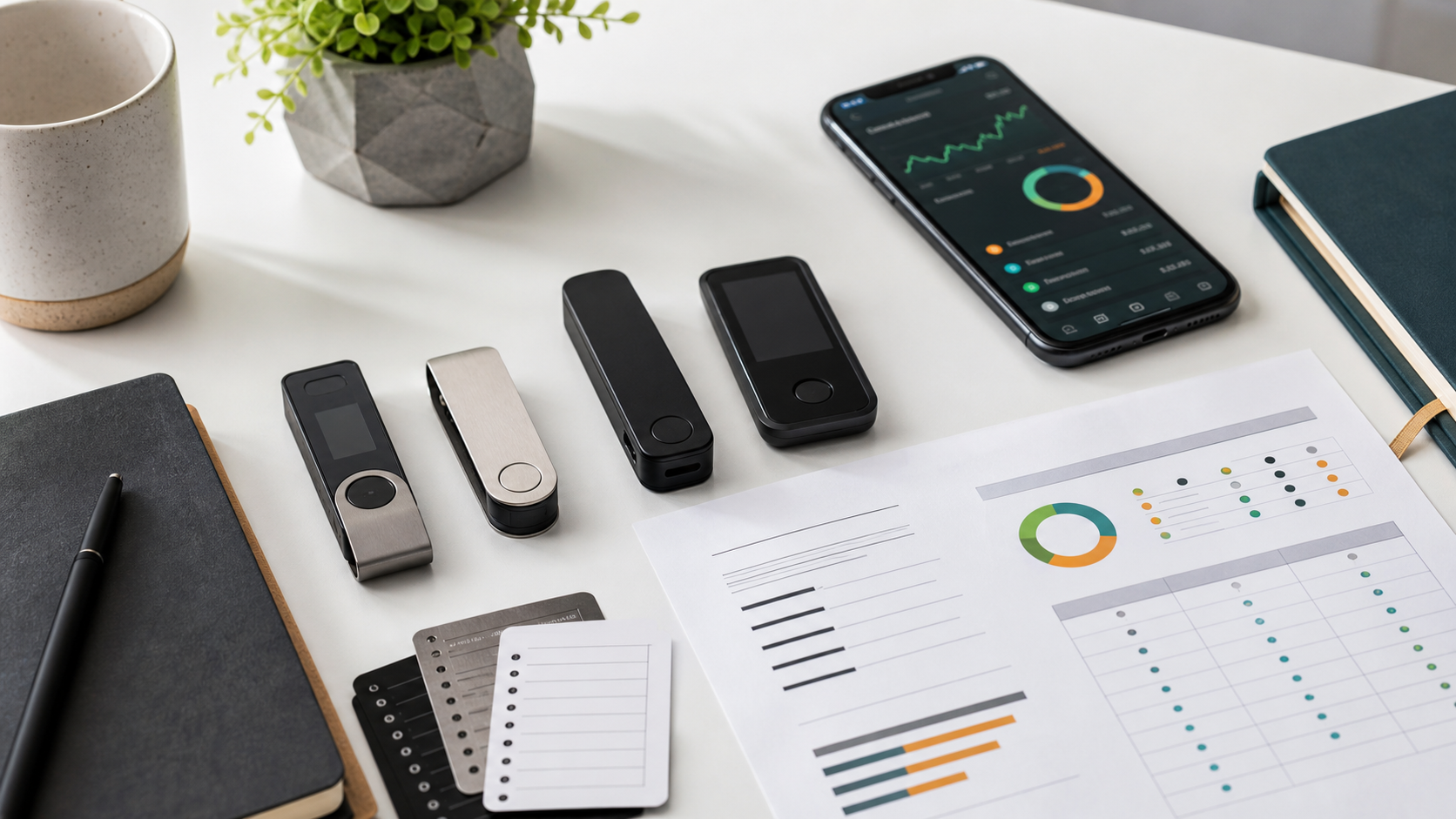
When comparing hardware wallets, consider the whole system: how keys are generated, how transactions are displayed and confirmed, how firmware updates work, whether the recovery model is understandable, and whether the wallet’s software and connection method fit your routine. A chip label alone does not tell you how safe you will be against phishing, address-substitution mistakes, poor backup storage, or signing a malicious transaction.
A practical recommendation is to treat secure-element details as one checkpoint in a broader security review, not as the only buying criterion.
Q: Can I use a cold wallet with an iPhone?
Some cold wallets are designed for mobile use, but iPhone compatibility depends on the wallet’s app, connection method, supported assets, and transaction flow. The supplied source material includes beginner discussion about cold wallets for iPhone and concern that not every hardware wallet works with iOS.
Before buying, check whether the wallet supports your phone operating system, whether it uses QR signing, NFC, Bluetooth, USB, or another workflow, and whether the assets you plan to hold are supported in the mobile app. A wallet can be secure in theory but frustrating in practice if the app does not support your device, your preferred network, or your normal transaction routine.
A practical recommendation is to confirm iOS support, recovery steps, and transaction-signing flow before transferring meaningful funds.
Q: Are air-gapped or card-style hardware wallets better for beginners?
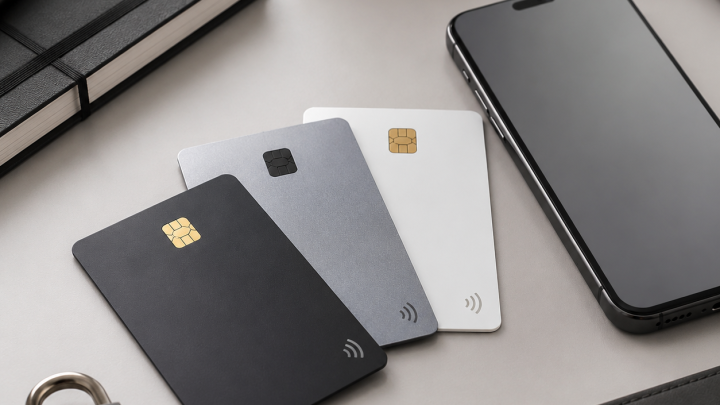
Air-gapped and card-style hardware wallets solve different problems, so neither category is automatically better for every beginner. The supplied wallet data includes an air-gapped touchscreen hardware wallet using QR signing and an NFC card hardware wallet using NFC card signing, which shows how different form factors can change the user experience.
An air-gapped QR-signing device may appeal to users who want transactions passed by camera rather than USB, Bluetooth, or NFC. A card-style NFC wallet may appeal to users who want a small, mobile-first form factor. The tradeoff is that each workflow has its own learning curve, backup process, and compatibility checklist.
A practical recommendation is to choose the signing method you can understand and repeat safely, then confirm supported assets, app support, and recovery model before funding the wallet.
Category checklist for choosing a hardware wallet
Use this checklist before choosing any cold-storage setup:
| Checkpoint | Why it matters |
|---|---|
| Recovery model | You need to know how the wallet can be restored if the device is lost or damaged. |
| Signing method | QR, NFC, USB, Bluetooth, and other workflows feel different in daily use. |
| Mobile support | iPhone and Android support should be confirmed before buying. |
| Supported assets | Confirm the exact assets and networks you plan to use. |
| Backup storage | A hardware wallet does not help if the recovery phrase is exposed, lost, or photographed. |
| Transaction review | You should be able to verify addresses and transaction details before signing. |
Sources
- What is a hardware wallet? A beginner’s guide to protecting your crypto
- hardware wallet bitcoin secure element question from a beginner
- Is it worth getting a hardware wallet if I only have a small amount?
- Best cold hardware wallet for iphone
- Need cold wallet advice
- What is a crypto wallet? Hot vs. cold wallets explained